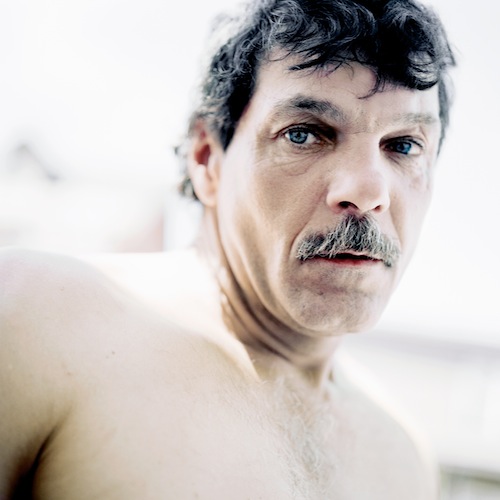
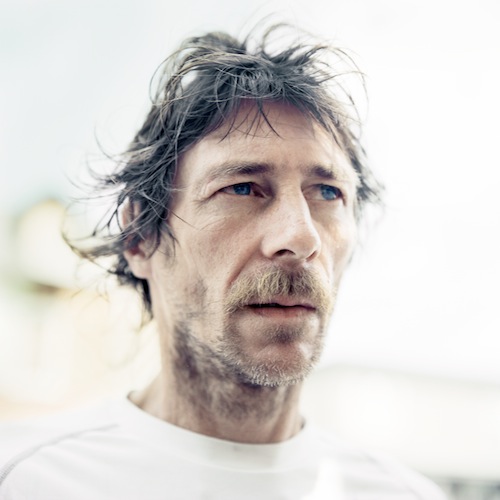
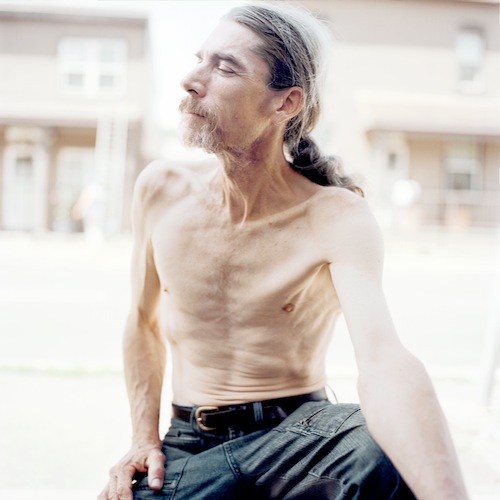
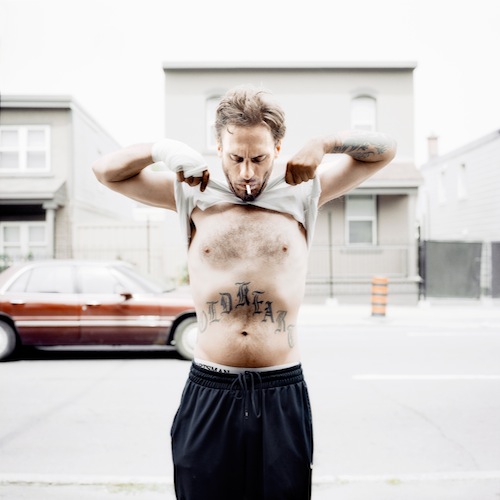
USER Photo Project 2007-2011
USER STATEMENT:
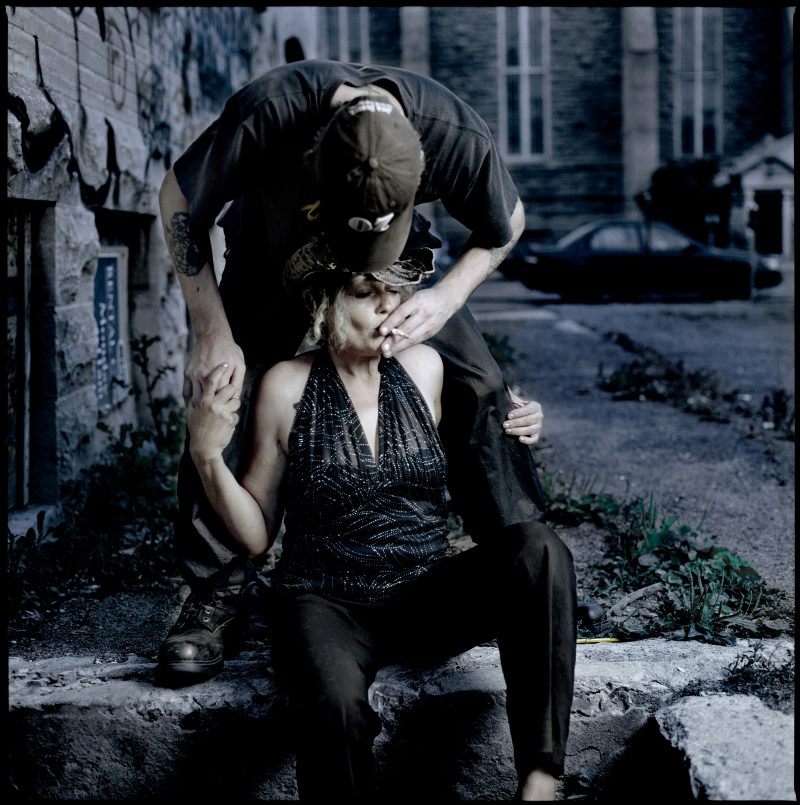
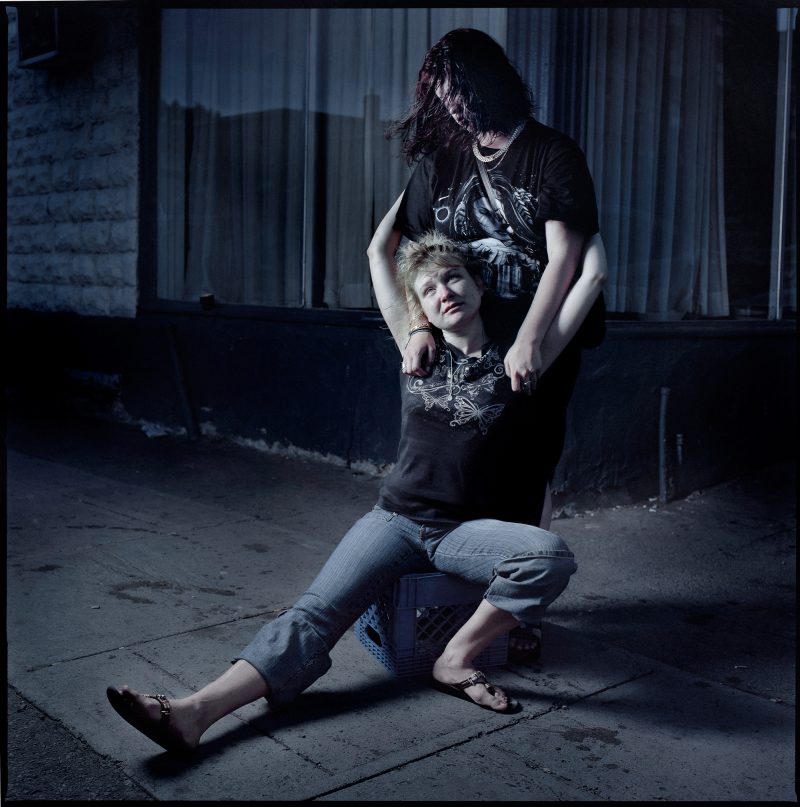
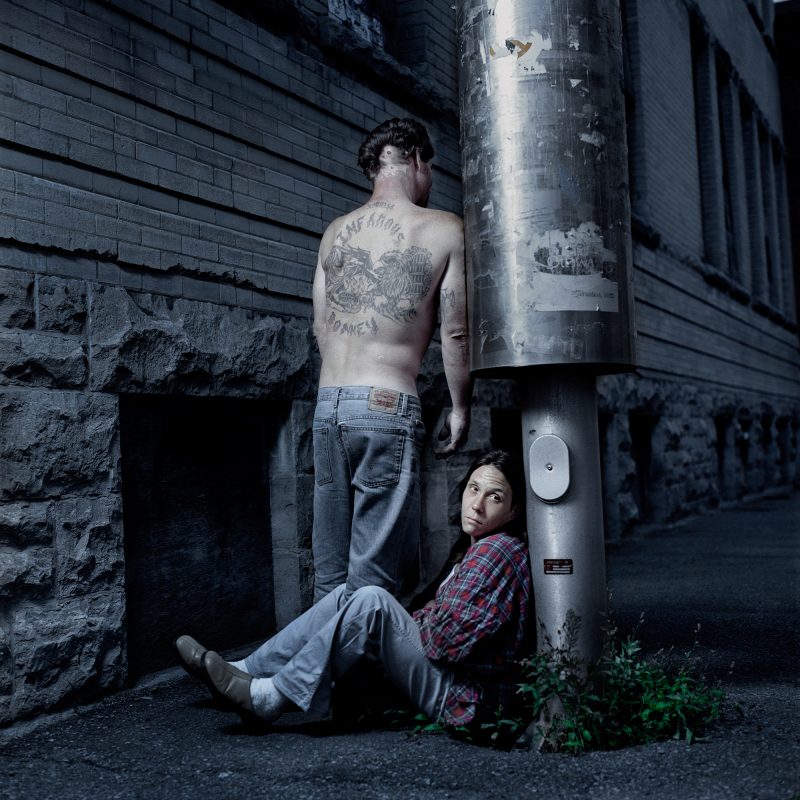
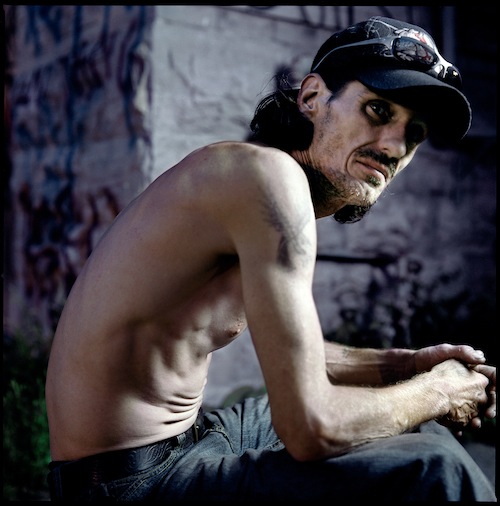
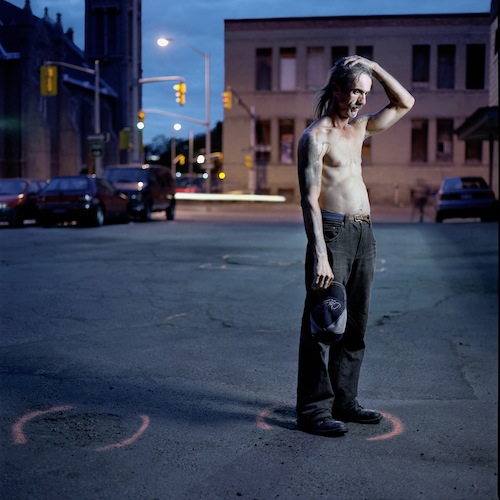
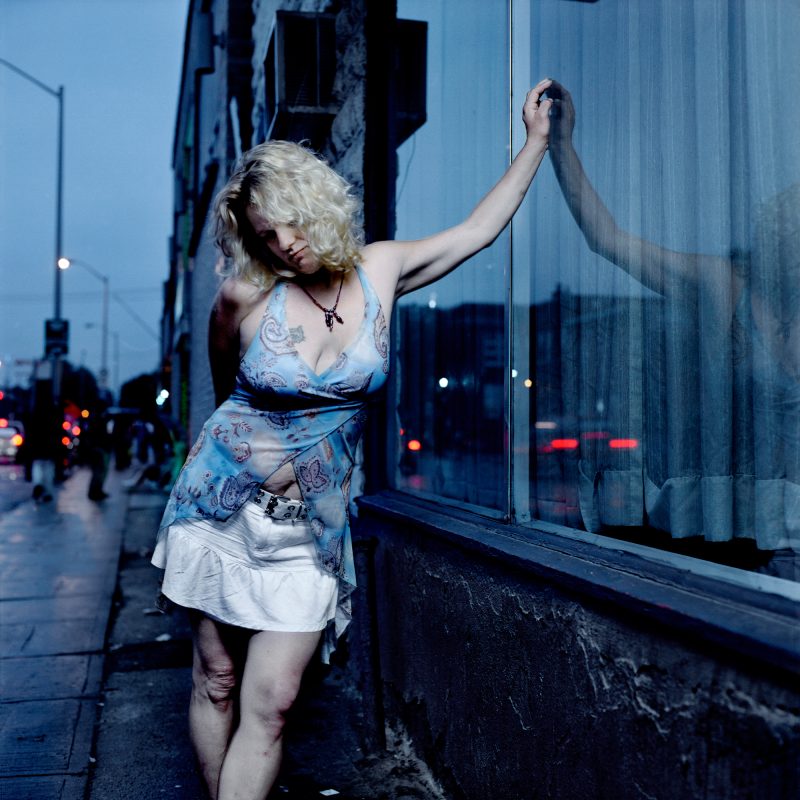
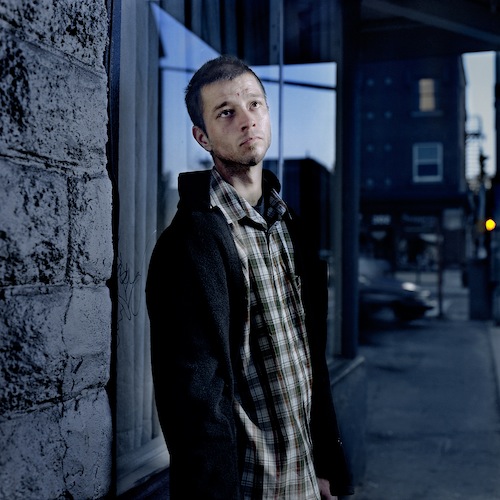
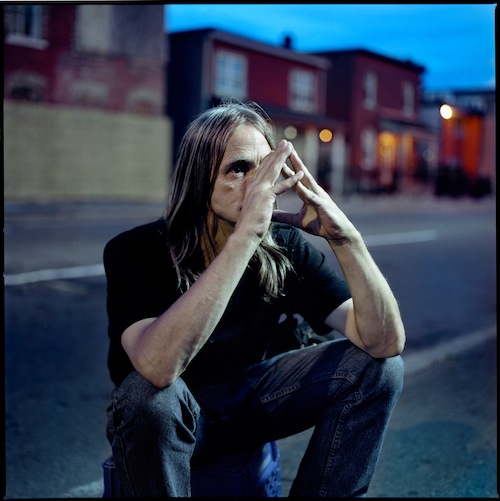
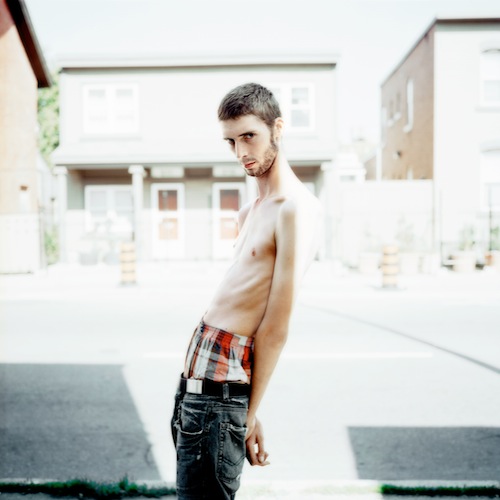
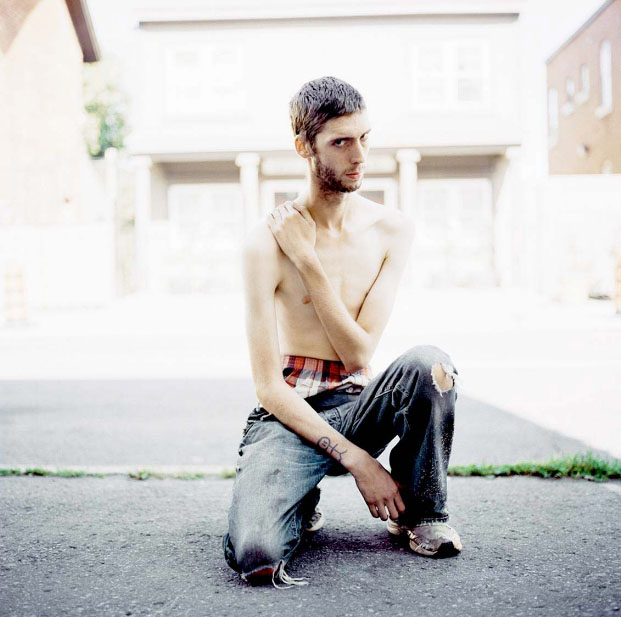
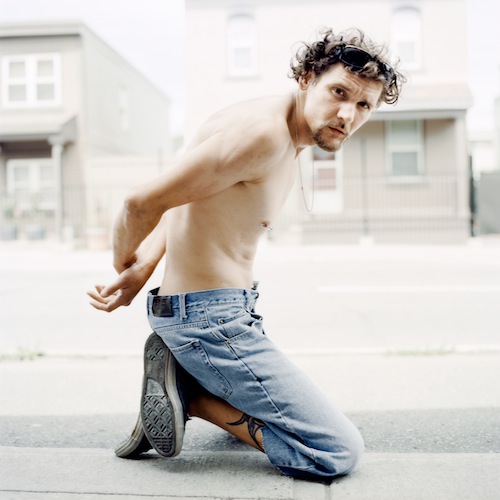
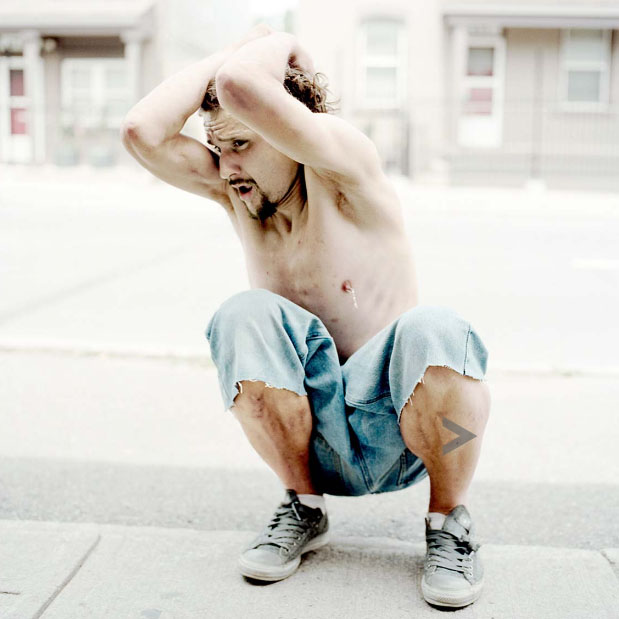
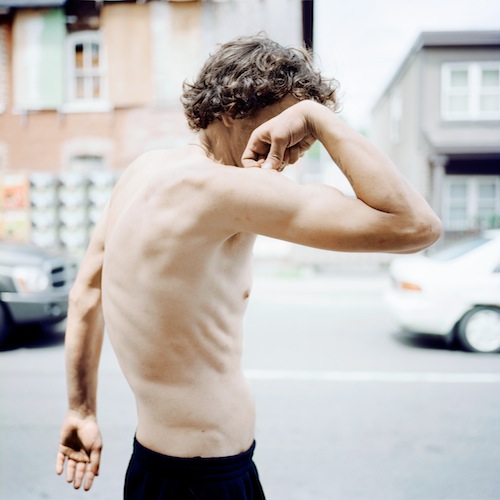
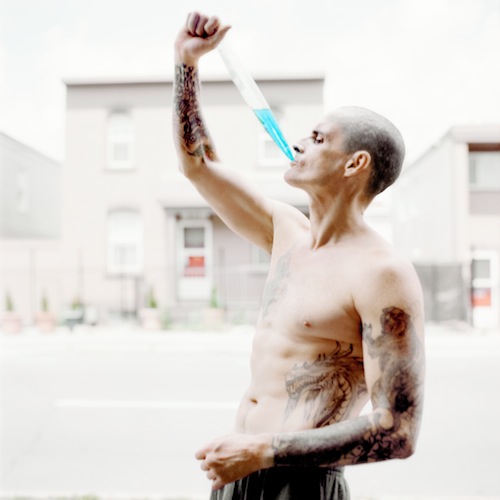
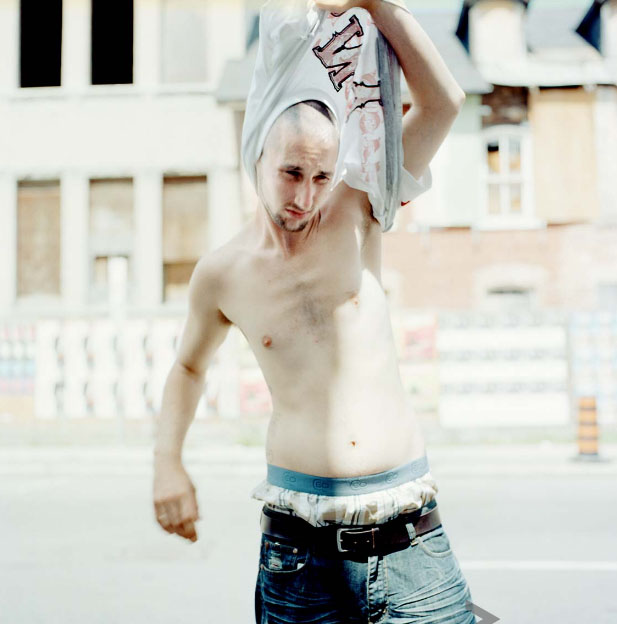
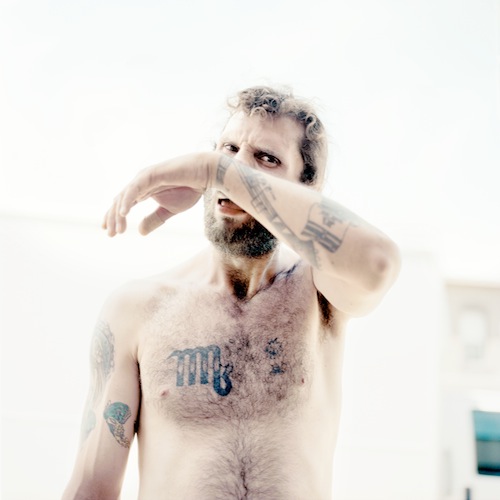
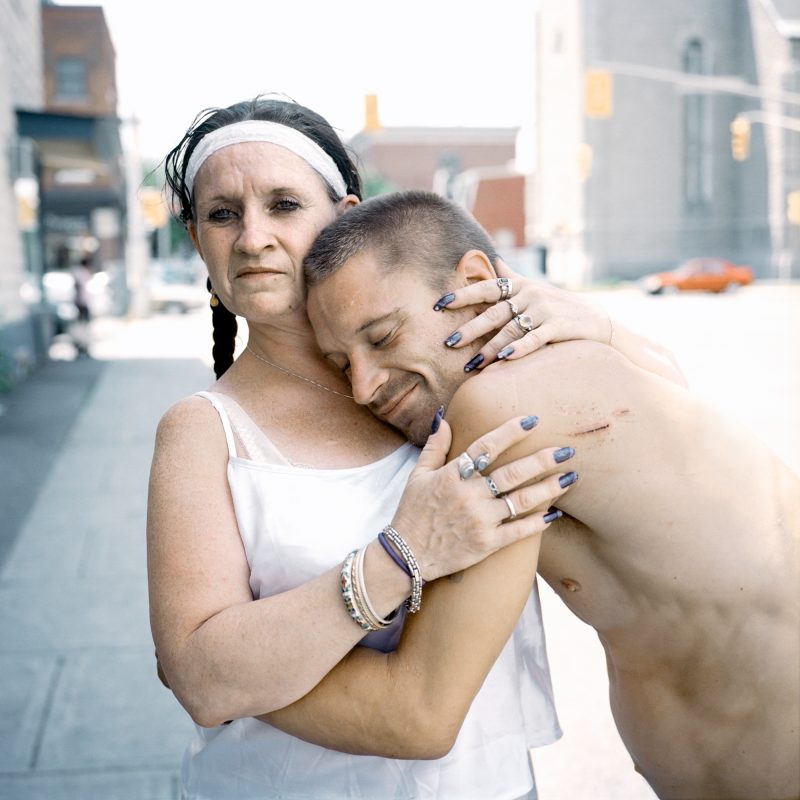
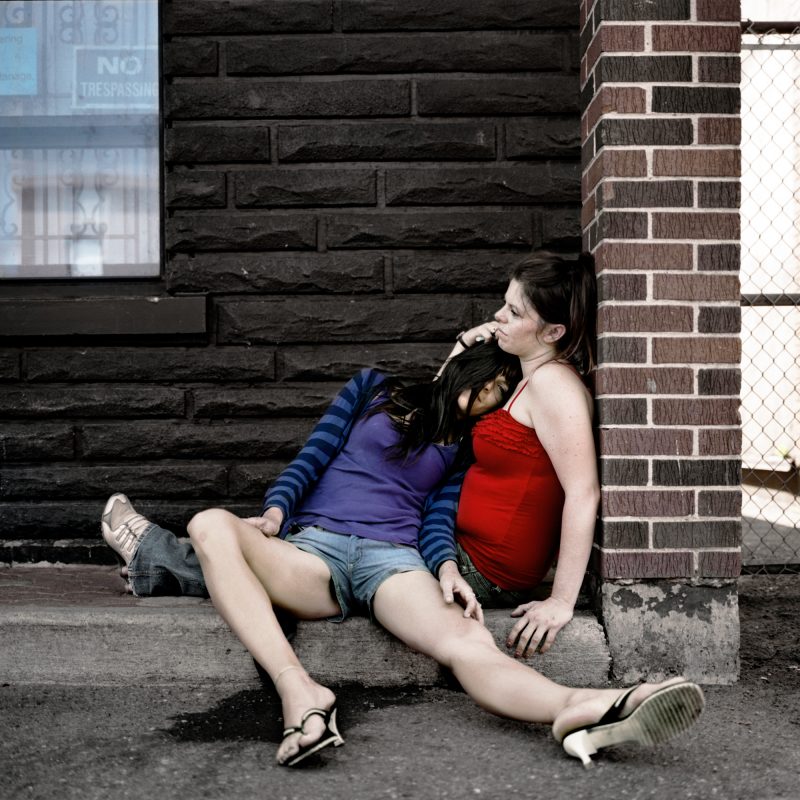
There’s a corner in Ottawa where anarchy reigns. The people who inhabit that corner aren’t terrorists. They don’t blow stuff up nor do they want to overthrow any system or government. Mostly they just want to be left alone to fight their pain. Their weapon of choice is crack cocaine; the battleground is their bodies and their spirit. Crack addicts.
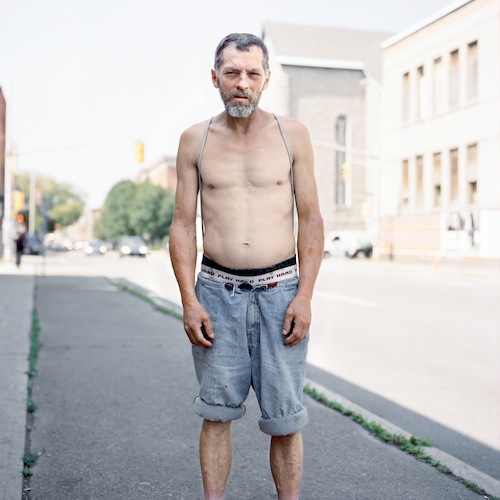
Since 2007 I’ve been going to this corner over and over again, obsessed. Obsessed with documenting the feel and the face of this small society. I work with a camera and the cooperation and acceptance of the addicts I’m photographing. They know me, I know them. We have an understanding. The work I’m doing there feels like collaboration. Some have said I’m collaborating with the enemy. They say that the addicts on that corner should be swept away. Of course, where they’ll go, how they’ll be treated is left unsaid. Addiction has always been with us, always will be. Lip service and knee-jerks count for nothing.
I don’t go down to that corner to fight for or against the addicts, I’m not there to judge. I’m there as an observer, one who has a point of view and the means to express that point of view. The casual passerby will see ugliness and conflict and degradation on that corner. Those all exist there, as they do on other corners, in other places.
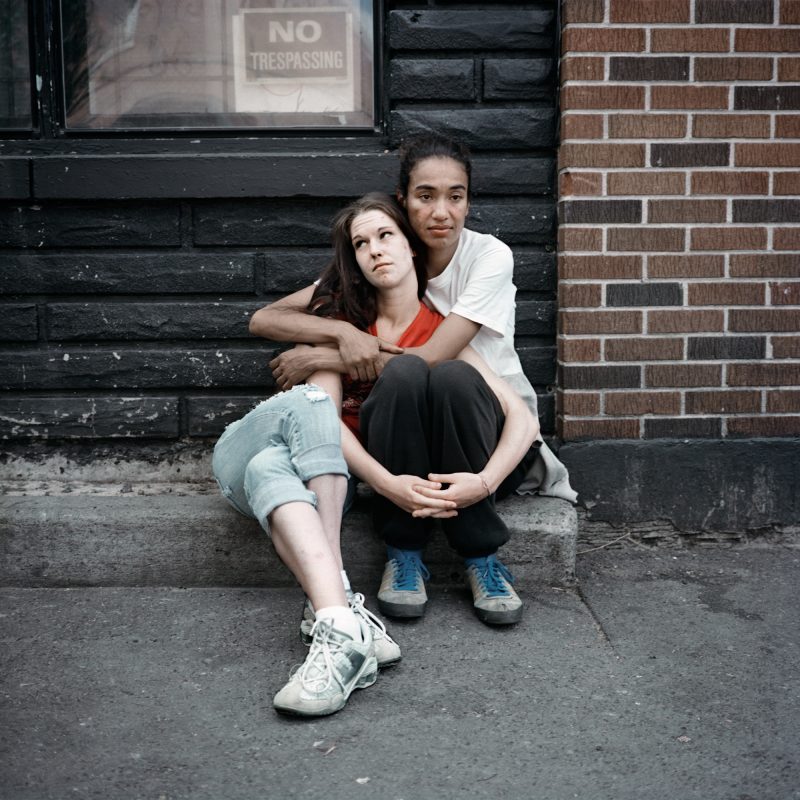
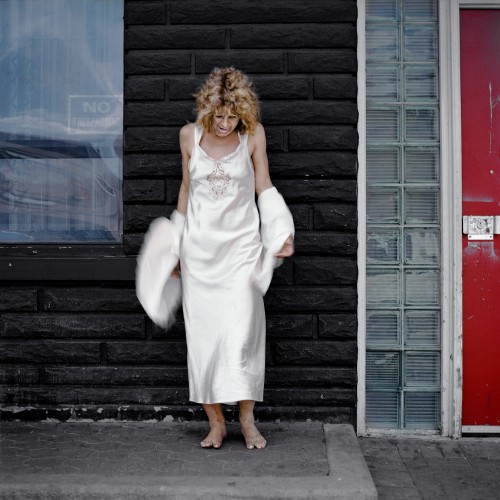
But there are other emotions and dynamics to be seen there, too. I see community and fellowship, I see street mothers looking after the young women. I see one kind of pain being replaced with another kind of pain, one that is somehow – we can’t even begin to imagine – more acceptable to the addict. I see creativity, friendship and humanity. I see humans.
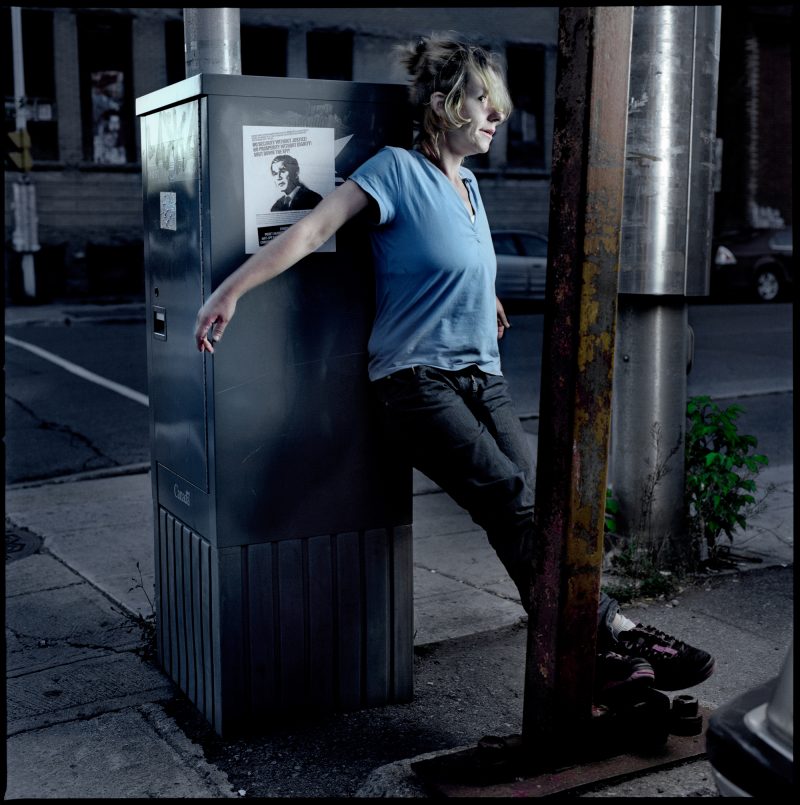
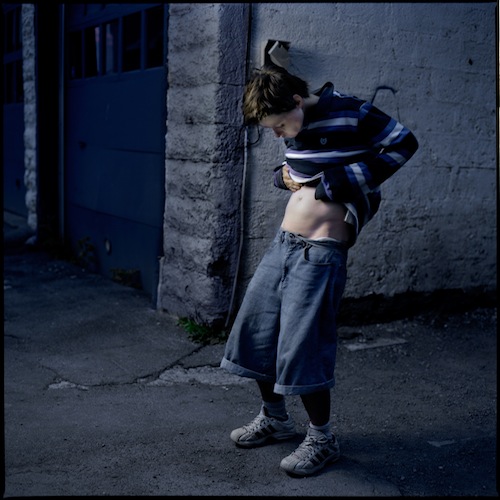
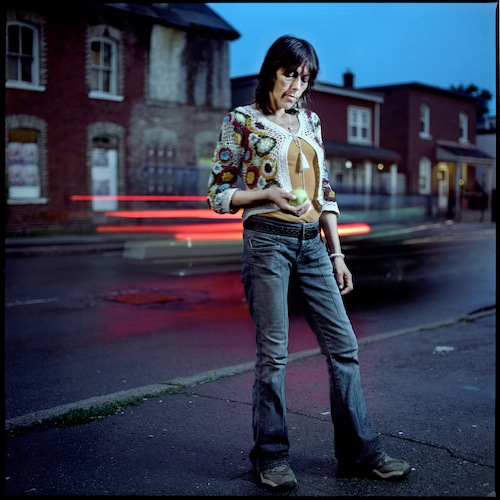
USER is an ongoing, open-ended project. My first year of shooting there was all done at dusk and in the dark. These images are an approximation (I call them “based on reality”) of some of the dynamic I observed on that corner. I would work with the subjects to set up small situations that reflected the look and feel of the nighttime corner.
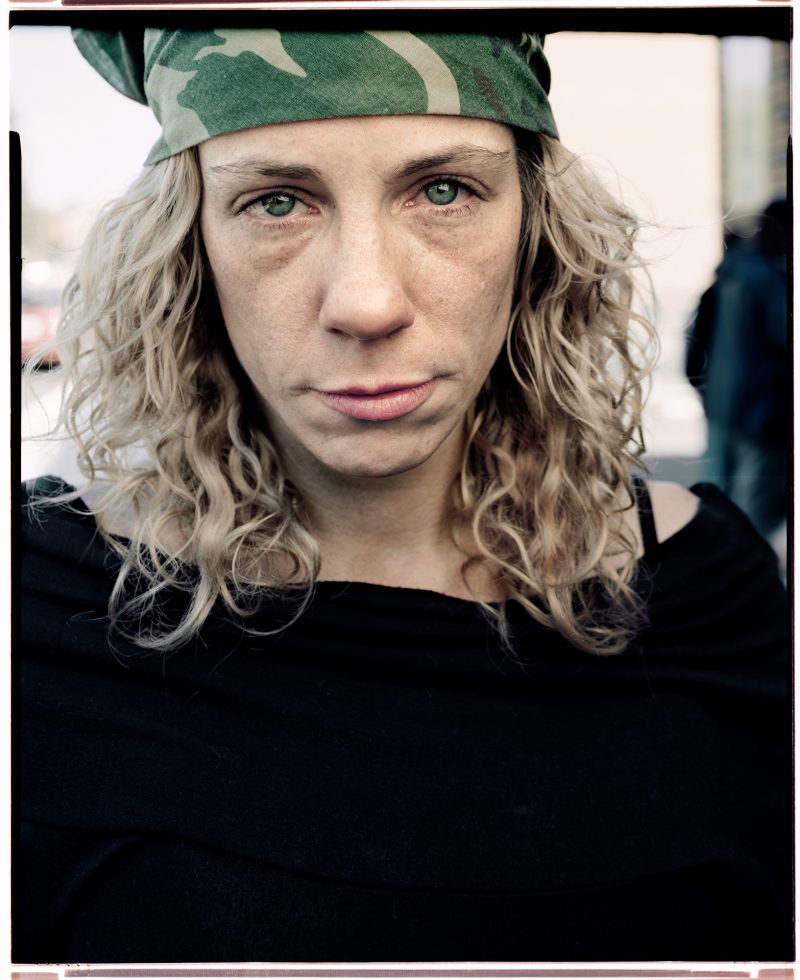
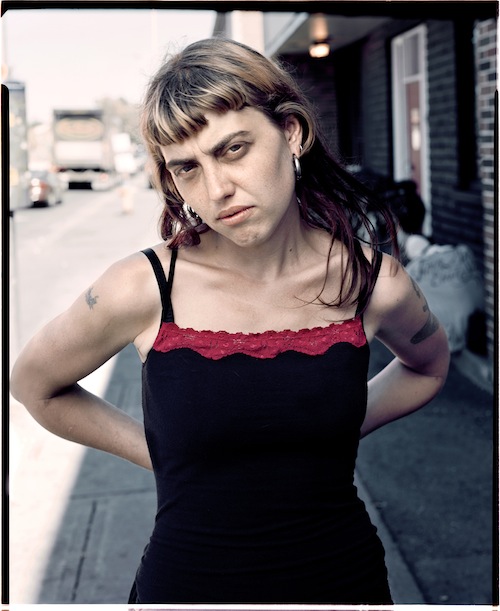
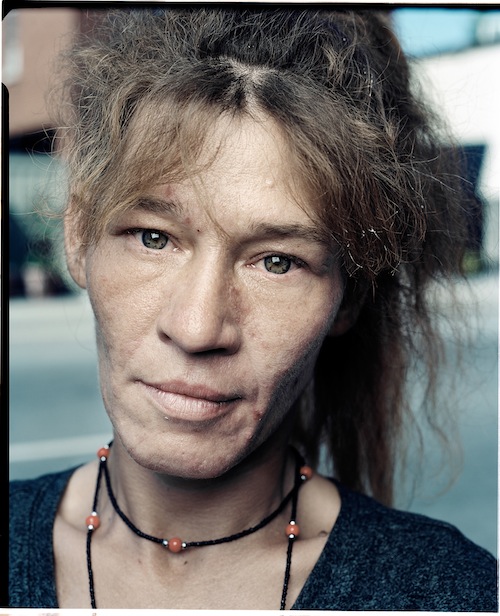
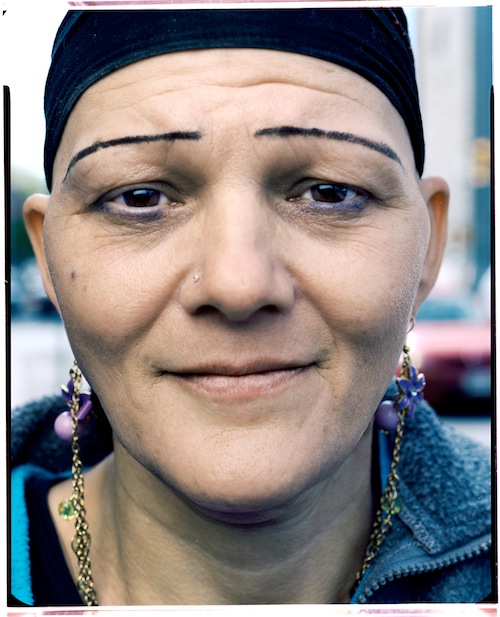
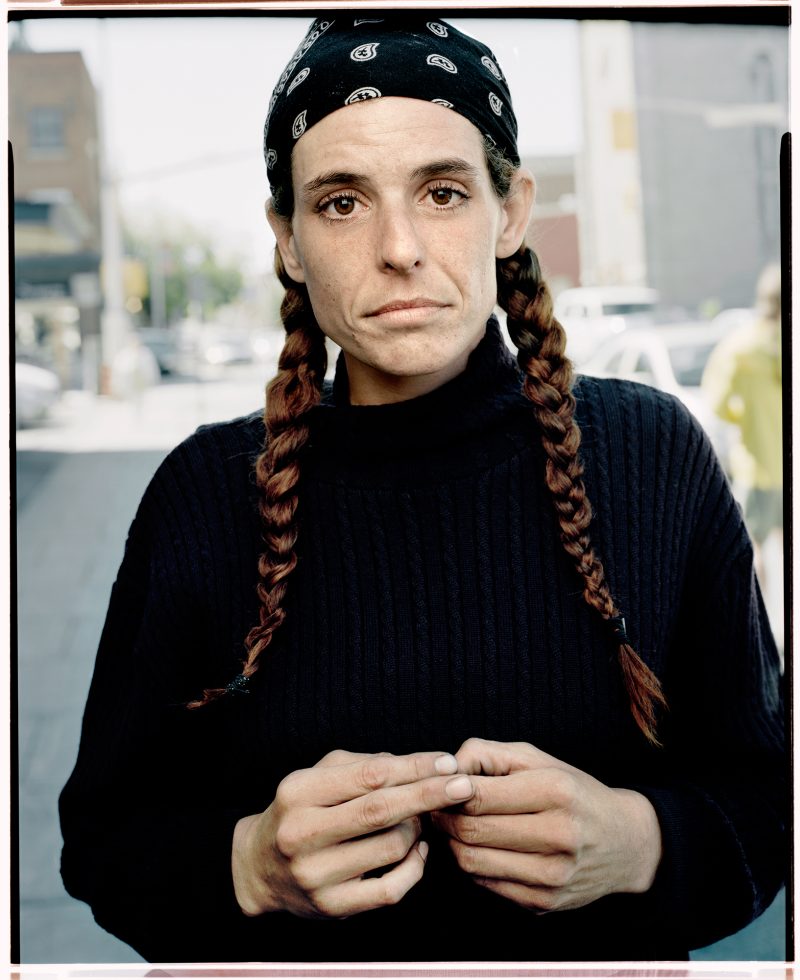
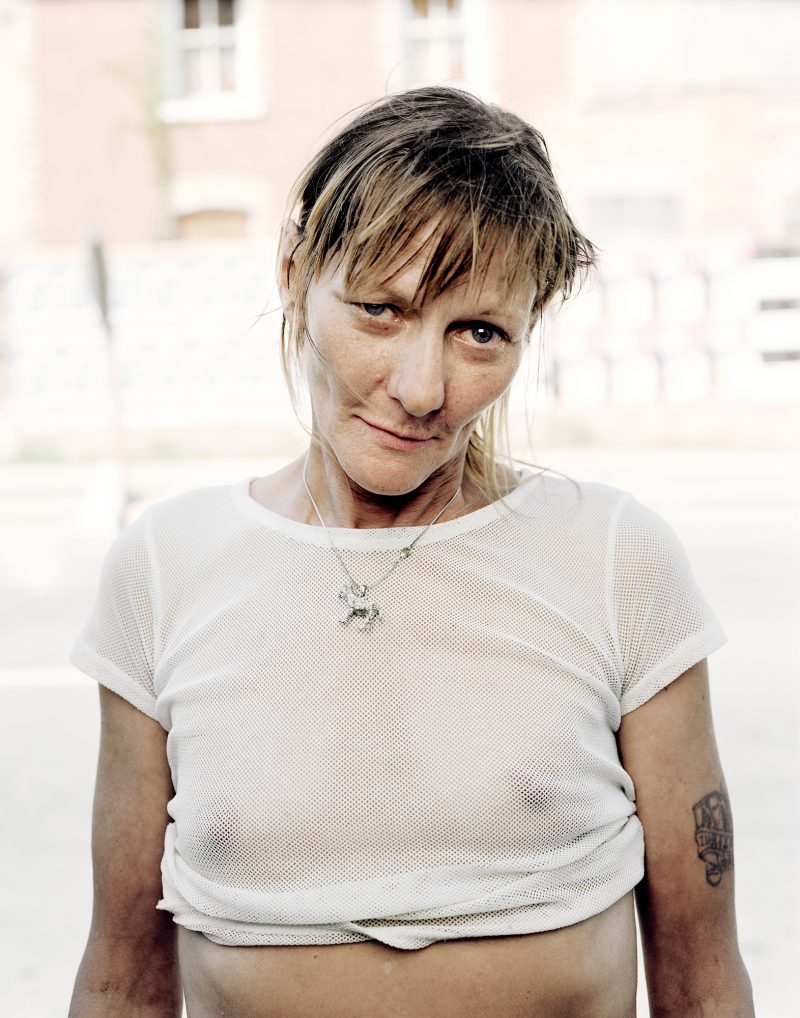
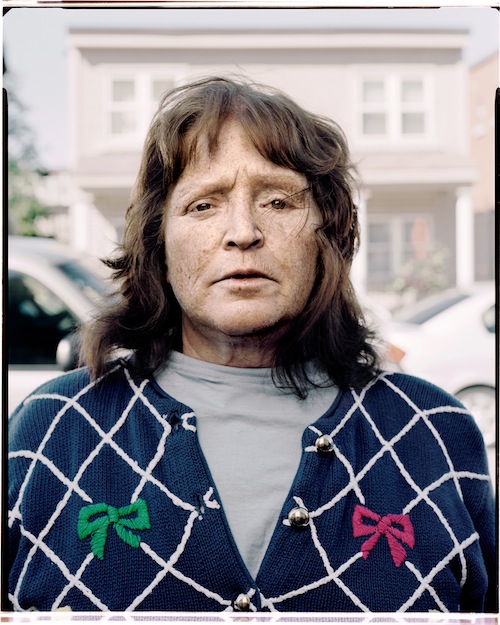
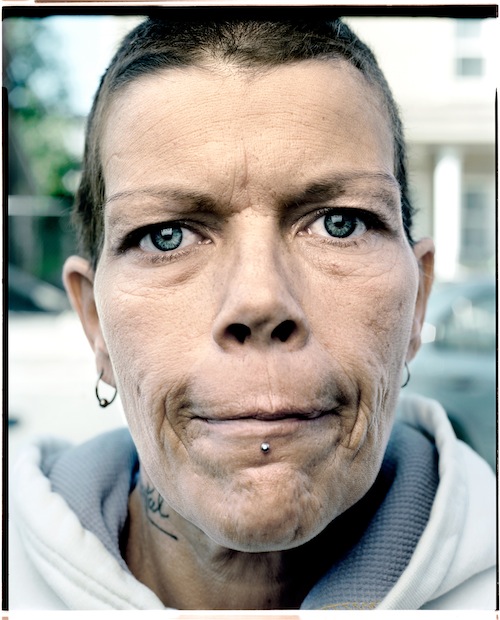
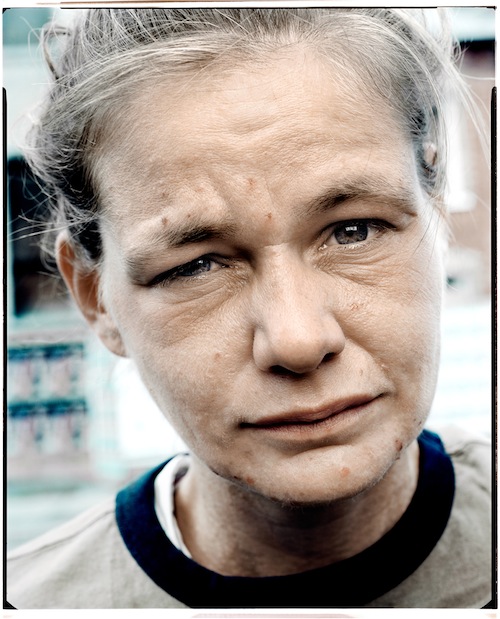
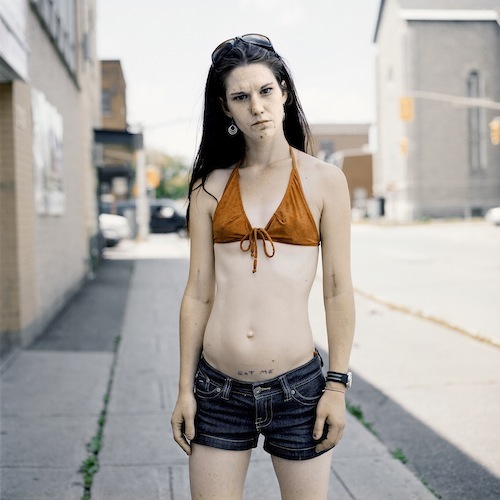
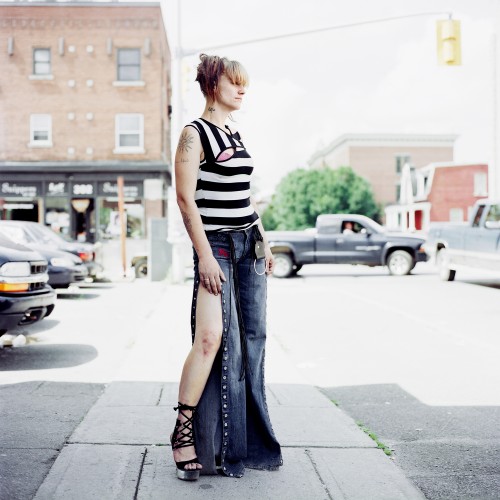
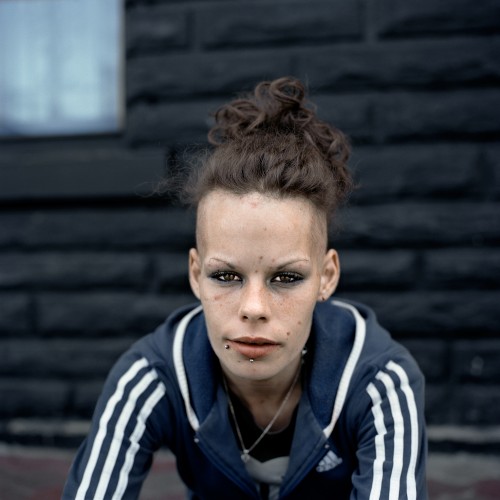
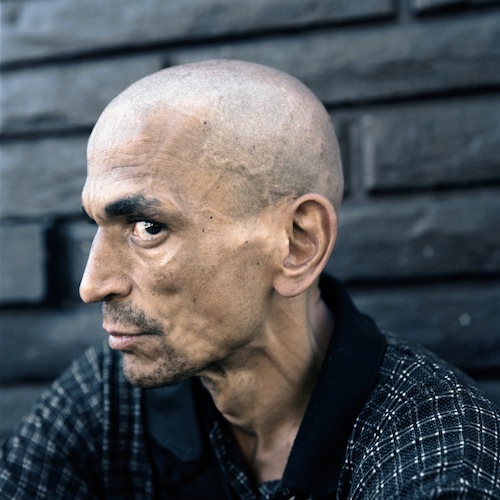
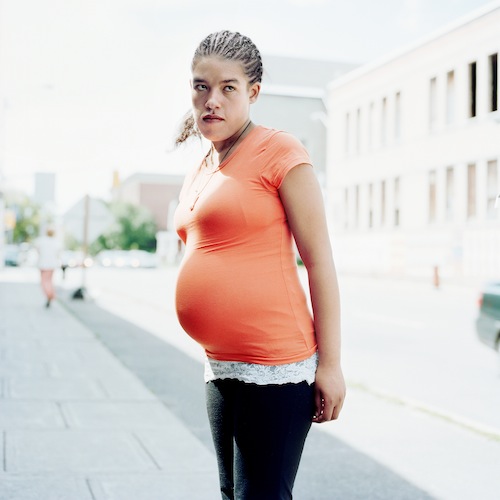
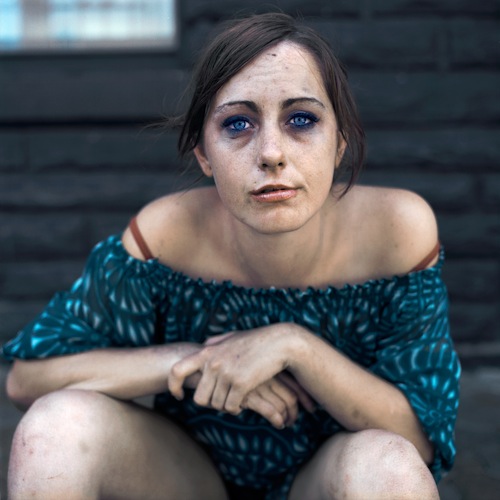
The following year (2008) I became more interested in the face of the addicts. This work, titled: “USER: Women”, is a series of large format, close-up photographs of some of the women crack addicts that congregate on that corner.
These images are much more confrontational and stripped down than the previous work there. They show the face, rather than the feel, of that corner. The women look into the lens and allow you, the viewer, to look straight back at them, to look into their eyes and make up your own mind.
“When Tony Fouhse first exhibited his stylized photographs of crack addicts made on a street corner in Ottawa, Canada, he was unsure what the reaction of the opening-night audience would be. But he knew that some of those in attendance would approve: the subjects themselves. Mr. Fouhse’s photographs put a twist in the ongoing argument about making art out of suffering and making commodities from pictures of misfortune. When his photographs are on view at La Petite Mort, you can see the art inside and the reality outside”.
– New York Times, July 2009
*
BORN: Ottawa, 1954
EDUCATION: Hillcrest High School
SOLO EXHIBITIONS
2013
LIVE THROUGH THIS, Carleton University Art gallery, Ottawa
LIVE THROUGH THIS, ViewPoint Gallery, Halifax, Nova Scotia
2012
ANGELENOS, La Petite Mort Gallery, Ottawa
2011
USER 2010, La Petite Mort Gallery, Ottawa
2010
I KNOW YOU ARE BUT WHAT AM I, Karsh Masson Gallery, Ottawa
AMERICAN STATES, Exposure Gallery, Ottawa
USER, Pikto Gallery, Toronto (featured CONTACT exhibition)
USER 2010, La Petite Mort Gallery, Ottawa
2009
APRIL + ERIK , Gallery La Petite Mort, Ottawa
USER, IPS Gallery, Montreal
2008
BESIDE THE PASSAIC, La Petite Mort Gallery, Ottawa
2006
THERE, Gallery 101, Ottawa
2004
CALIFORNIA, Galerie La Bouchon, Paris
SELECTED GROUP EXHIBITIONS
2013
CRITICAL MASS (touring), Jennifer Schwartz Gallery, Atlanta, Georgia and The
Southeast Museum of Photography, Daytona Beach, Florida
HEART of the MOMENT: works from the permanent collection, Ottawa Art Gallery
APPLIED, Exposure Gallery, Ottawa
2012
THE PRESENT, Oz Studio, Toronto
CLOSE TO HOME, recent acquisitions, City Hall Art Gallery, Ottawa
2011
HUMANKIND, Powerhouse Gallery, Brooklyn, N.Y.
PLACE AND CIRCUMSTANCE, City Hall Art Gallery, Ottawa
2010
NUDES, Abnorma Gallery, Poznan, Poland
EVOCATIVE OBJECTS, The Bytown Museum, Ottawa
2009
SNAP ’09, The Edward Day Gallery, Toronto
2008
EVIDENCE, City Hall Art Gallery, Ottawa
HOLGAWORLD, PhotoMedia Center, Erie, Pennsylvania
2004
THE WORLD, Angel City Gallery, Los Angeles
ROCK THE VOTE, SAW Gallery, Ottawa
BOOKS
LIVE THROUGH THIS, published 2012 by STRAYLIGHT Press
COLLECTIONS
The National Photo Collection, Belgium (2 USER images on display)
Canada Council Art Bank
City of Ottawa Art Collection
The Ottawa Art Gallery Collection
Archives of Ontario
The National Photo Collection, Canada
Private collections
PUBLISHED (Features)
American Photography magazine, October 2013 (Live Through This)
TIME Magazine, LightBox, July 30, 2013 (Live Through This)
New York Times LENS blog, June 11, 2013 (Official Ottawa)
American Photography 28, 2012
British Journal of Photography, November, 2011 (article on collaborative portraits, LIVE THROUGH THIS)
Esquire Magazine (Russia), November, 2011 (15 USER photos)
CV PHOTO, SUMMER, 2011 (10 page spread on USER)
American Photography 27 (2011)
American Photography 26 (2010)
The New York Times (USER, July 22, 2009)
Fade, The Netherlands (2009)
Vie des Arts (2008)
Newsweek Japan, 2008 (6 page spread on USER)
LifeLounge, Australia, 2008 (6 page spread on USER)
Carte Blanche, Magenta Foundation for the Arts, 2006
Many newspaper articles and reviews.
GRANTS
Canada Council Travel Grant (2013)
OAC Exhibition Grants (2010, 2009, 2013)
City of Ottawa Arts Grant (2010, 2012)
Recipient of THE KARSH AWARD for PHOTOGRAPHY, 2010
SOME LINKS
New York Times: Official Ottawa
http://lens.blogs.nytimes.com/2013/06/11/official-ottawa-an-unofficial-portrait/
TIME magazine: Live Through This
http://lightbox.time.com/2013/07/30/live-through-this-documenting-one-womans-struggle-with-heroin
New York Times: USER
http://lens.blogs.nytimes.com/2009/07/22/showcase-25/
LPV magazine: Live Through This
http://lpvmagazine.com/2013/04/live-through-this-by-tony-fouhse-stephanie-macdonald/
CV Photo (précis of feature on USER)
http://cielvariable.ca/recent/88/88fouhse.htm
Ottawa Citizen: USER
http://blogs.ottawacitizen.com/2011/09/23/tony-fouhse-hangs-user-one-final-time/
Ottawa Citizen: Karsh Award
http://blogs.ottawacitizen.com/2010/09/18/portraits-of-tony-fouhse/